Torn Contact Lenses: What to Do, Warning Signs, and When to Get Help
28th Nov 2025
Disclaimer: This guide provides general eye-safety information. If you experience ongoing pain, redness, or vision changes, stop wearing contact lenses and contact a registered optometrist or emergency provider immediately.
Why a Torn Contact Lens Is an Immediate Eye Risk
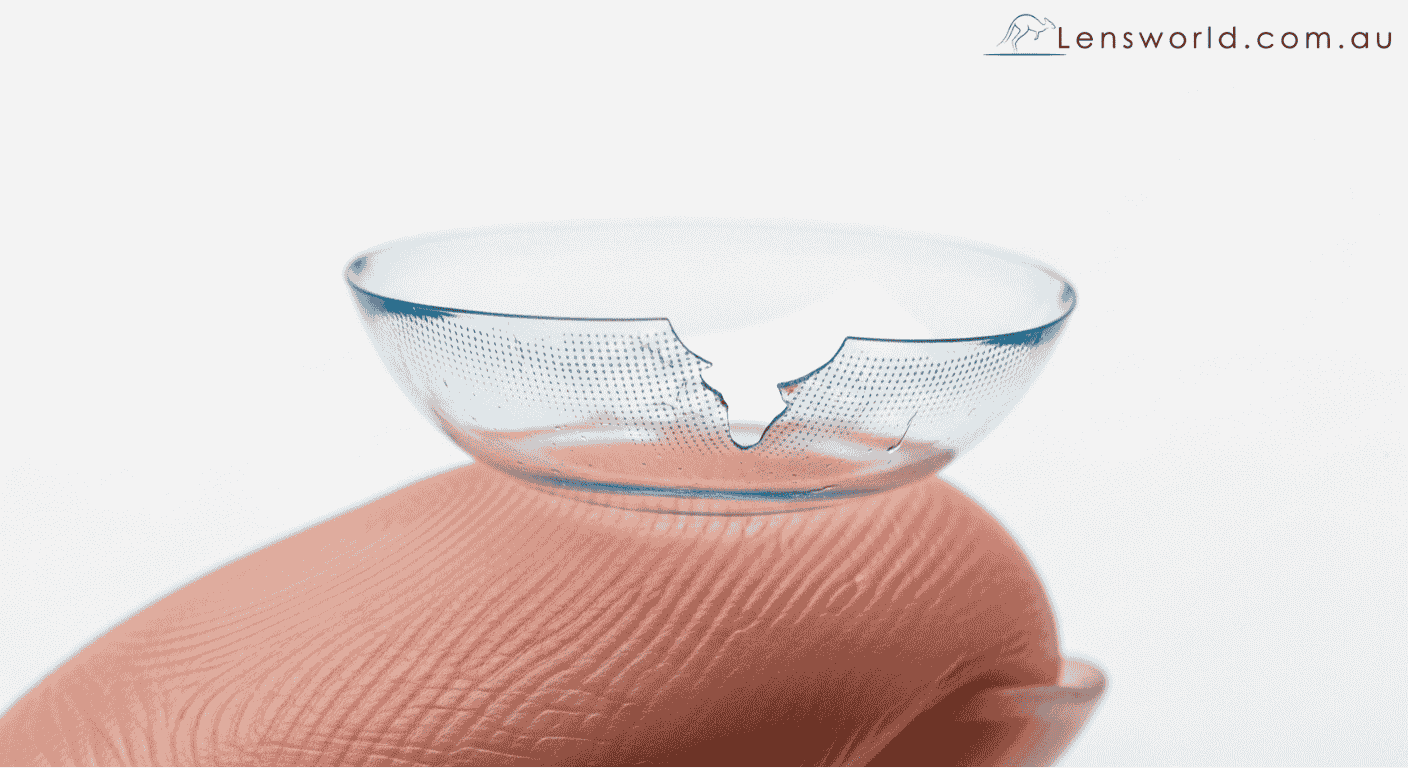
A torn contact lens isn’t just uncomfortable — it can injure the surface of the eye within minutes. Even small fragments can scratch the cornea or lodge under the eyelid, creating irritation and increasing the risk of infection.
1. Corneal Abrasion Risk
A jagged or uneven lens edge can scrape the cornea with every blink. Corneal abrasions increase your vulnerability to bacterial infection because the surface barrier has been damaged.
2. Foreign Body Sensation
If part of the lens folds or slides under your eyelid, it may feel like sand, grit or a “sharp speck.” This sensation often triggers tearing, redness and discomfort.
3. Infection Pathway
Any corneal scratch creates a direct entry point for microbes, raising the risk of keratitis or corneal ulcers, which require prompt treatment.
How to Recognise a Torn Contact Lens
A torn lens can look or feel different depending on the tear type:
Visible Tears
Often easy to see:
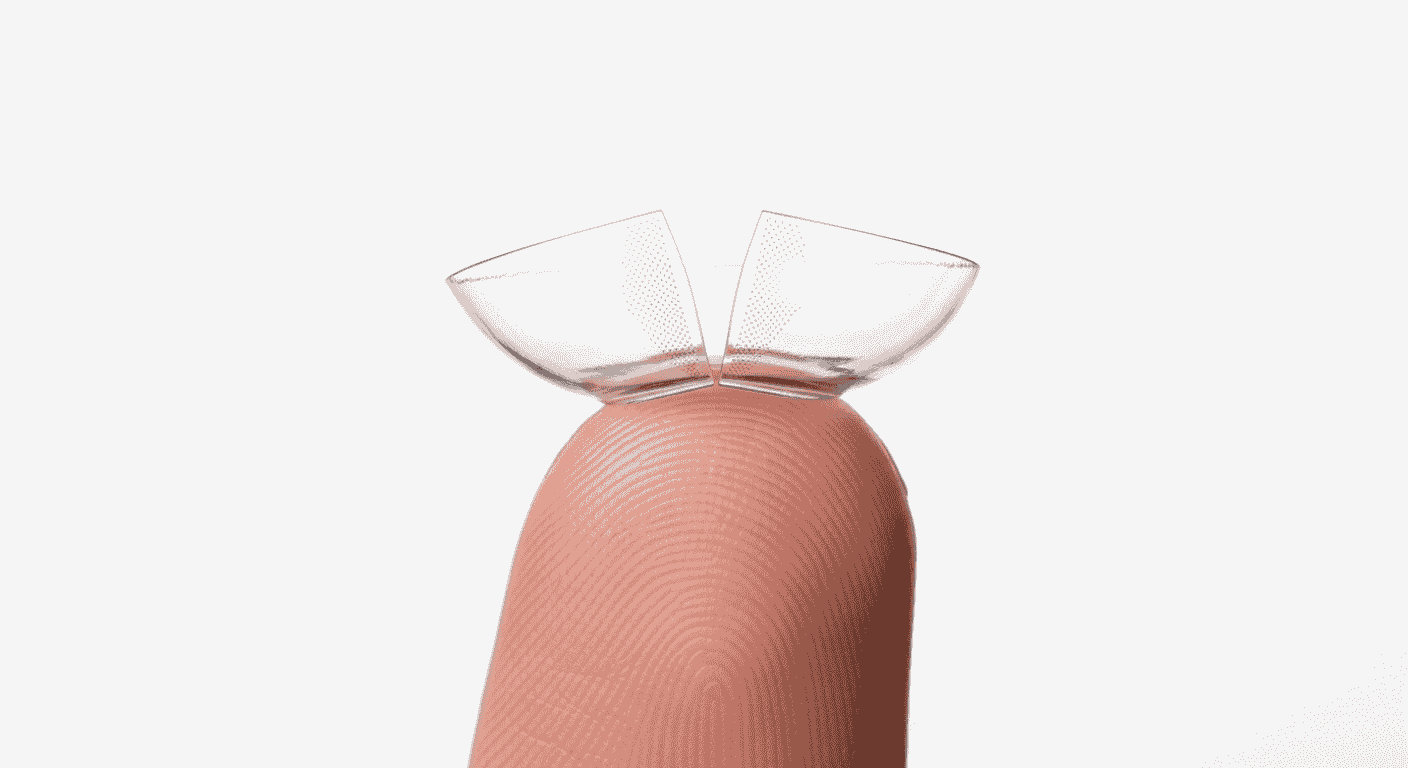
- Split in half
-
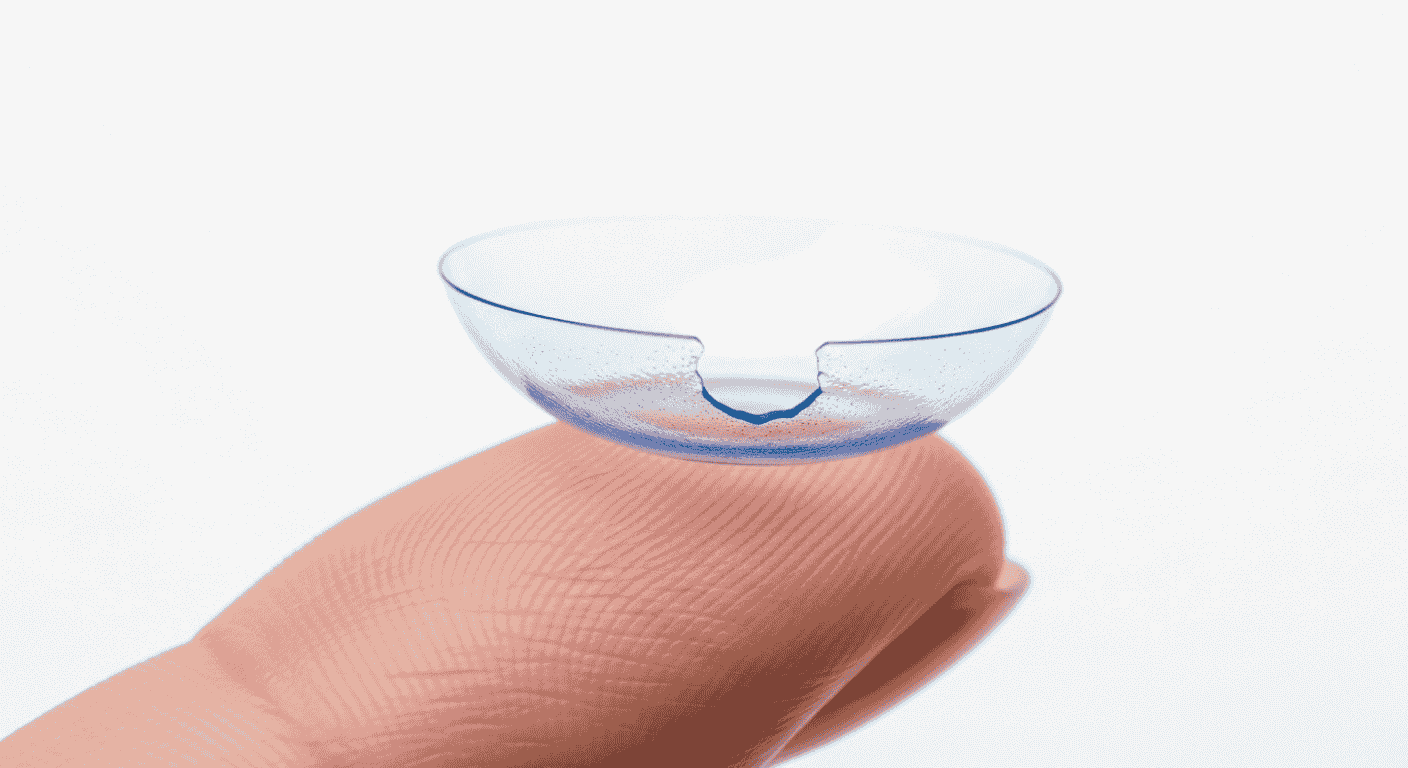
Missing a chunk
-
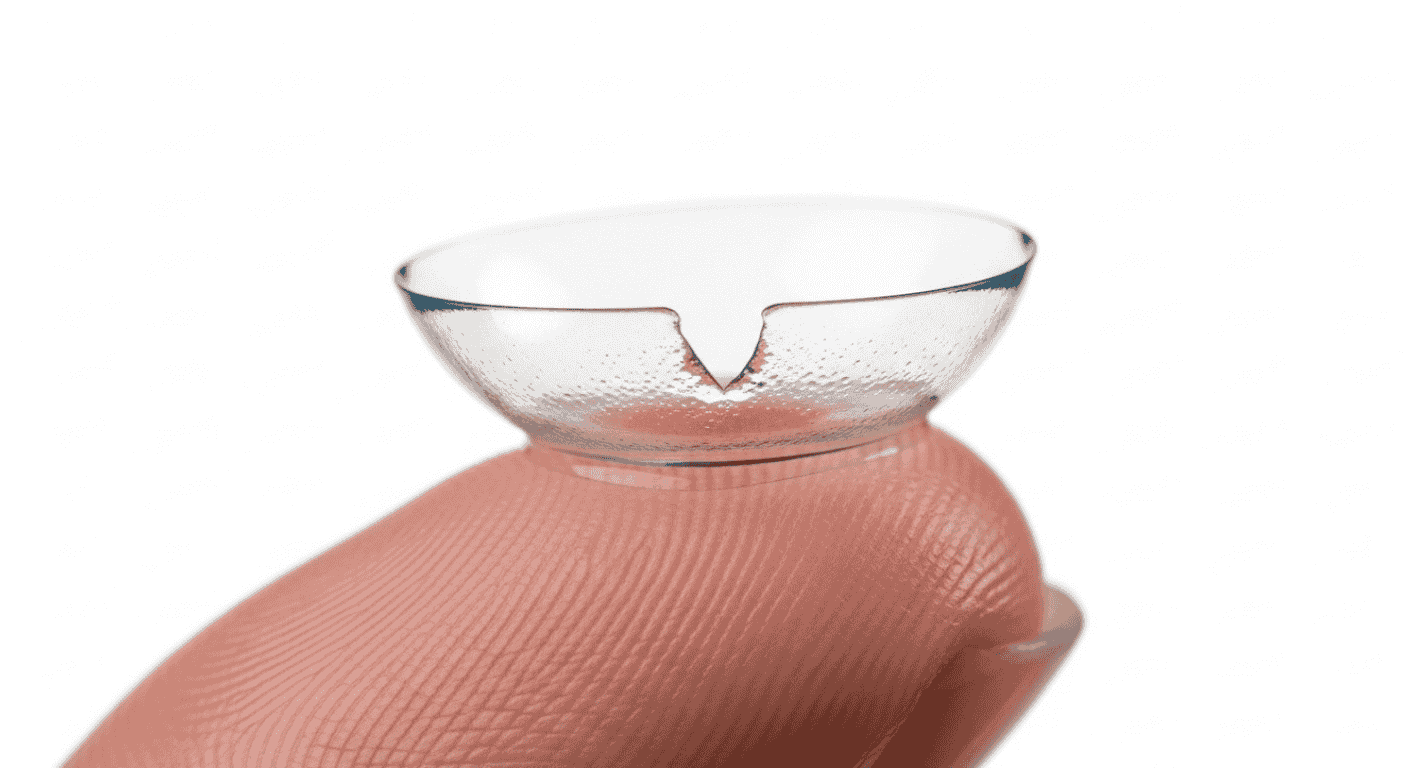
Jagged or uneven edge
-
Distorted shape
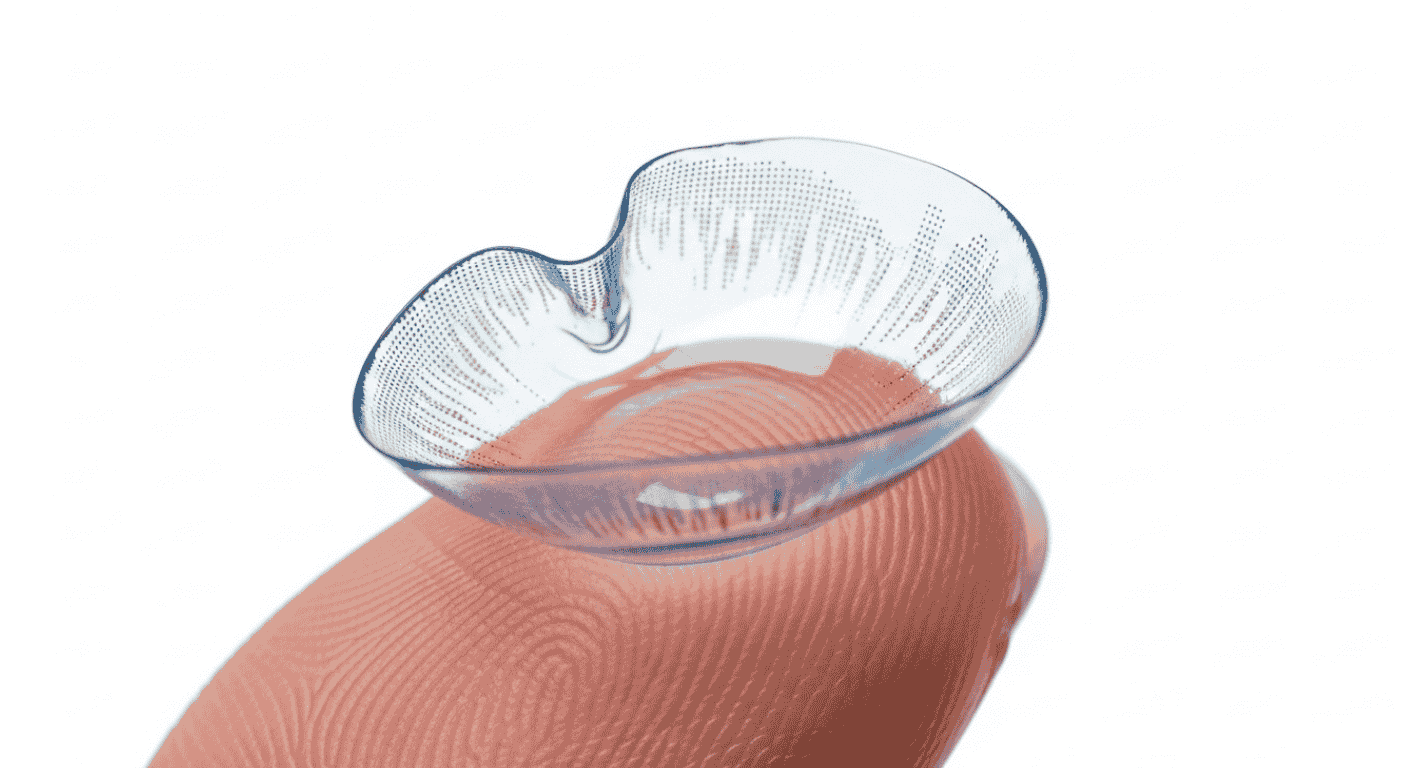
Micro-Tears
Sometimes the tear is tiny and hard to detect.
Common symptoms:
- immediate irritation when blinking
- sudden discomfort in an eye that felt fine moments earlier
- a persistent “something’s in my eye” feeling
If your lens feels wrong, assume it may be torn and remove it safely.
What to Do Immediately: Safe Removal Protocol
Stay calm, act gently, and never rub your eye.
1. Wash and dry your hands
This prevents introducing bacteria while you manipulate the eye.
2. Remove the main lens piece
Take it out as you normally would.
3. Inspect the lens
Place the lens on your fingertip. If any part is missing, continue with flushing steps.
4. Flush the eye properly
Use preservative-free saline or lubricating drops. Do not use tap water — it may contain organisms like Acanthamoeba, which can cause severe corneal infection. Blink repeatedly to help move the fragment toward the corner of the eye.
5. Check under the eyelids
Look underneath the lower lid first, then gently lift the upper lid. Fragments commonly hide under the upper lid.
If discomfort remains after flushing, stop wearing lenses and seek professional help.
Can I Wear a Torn Contact Lens?
No. Never. Even a tiny tear affects comfort, stability and safety. A damaged lens can scratch the eye or break further during wear. Replace torn lenses immediately.
When to See an Eye Care Professional (Urgent cases)
If you have removed the lens but experience any of the following symptoms, stop wearing contacts and call your optometrist, ophthalmologist or urgent care clinic:
- Persistent redness lasting longer than an hour
- Sharp or stinging pain
- Excessive tearing or discharge
- Sensitivity to light (photophobia)
- Blurred or foggy vision
- Feeling like something is still stuck
These can indicate a corneal scratch or early infection, which can worsen quickly without treatment.
Don’t risk it — eye injuries respond best when treated early.
References: